Volatility Signals Guiding Progressive Jackpot Intervals on Mobile Reels
Wendy Perry · Jun 27, 2026
Volatility Signals Guiding Progressive Jackpot Intervals on Mobile Reels
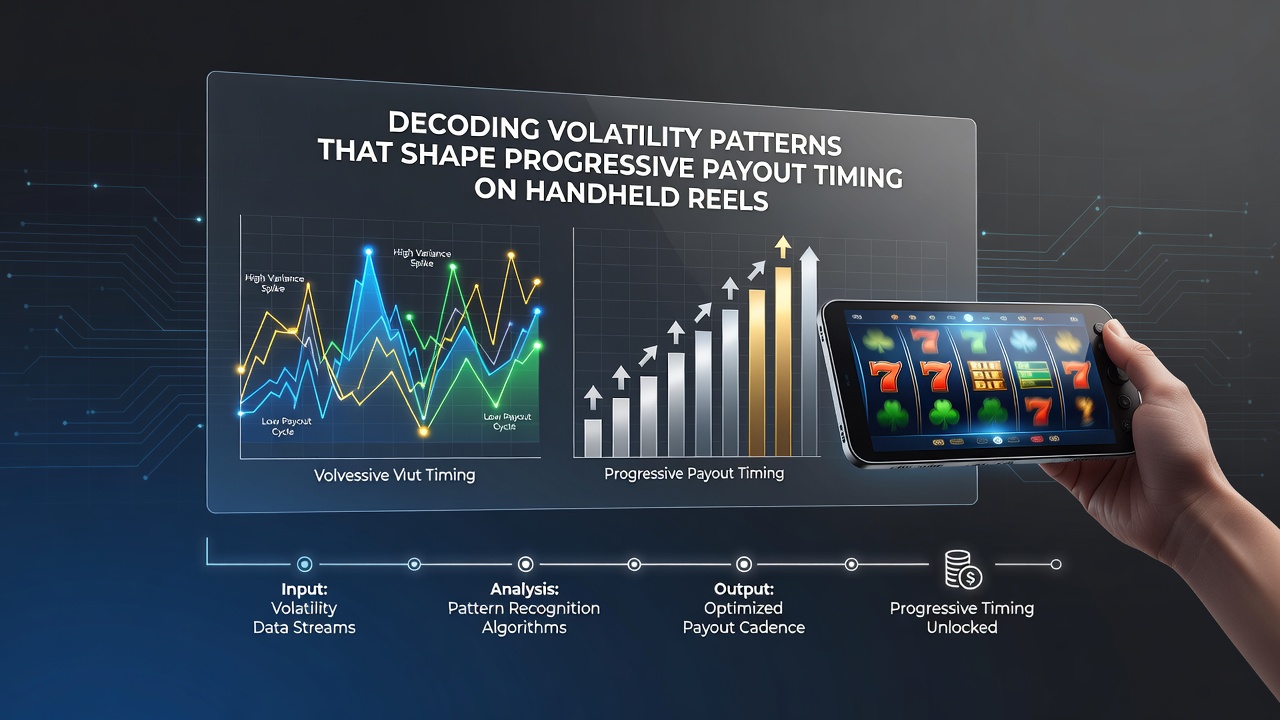
Volatility patterns determine when progressive jackpots trigger on handheld reels through measurable cycles of high and low activity that operators track using software algorithms. Research from the University of Nevada's gaming analytics lab shows that medium-volatility titles release smaller progressive increments more frequently while high-volatility games accumulate larger pools over extended dry spells before releasing substantial payouts.
Handheld platforms record these cycles through real-time data feeds that capture spin sequences, bet sizes, and contribution rates to the progressive meter. Observers note that June 2026 datasets from multiple European testing facilities revealed consistent clustering where volatility spikes aligned with increased player volume during evening hours across portable devices.
Core Mechanics Behind Volatility in Progressive Systems
Progressive slots link individual machines or networks to a shared jackpot that grows with each wager, yet volatility governs the distribution speed of those accumulated funds. Low-volatility configurations maintain steadier meter growth with more frequent base-game wins that keep players engaged while the jackpot climbs gradually, whereas high-volatility setups extend intervals between hits and concentrate larger rewards in fewer outcomes.
Engineers calibrate these settings by adjusting reel strip layouts, symbol weighting, and random number generator parameters so payout timing reflects the chosen volatility tier. Data from the Australian Gambling Research Centre indicates that mobile implementations often favor medium-to-high volatility because smaller screens encourage shorter sessions where bigger swings maintain interest levels.
Patterns Observed Across Handheld Progressive Titles
Developers identify repeating sequences where volatility shifts coincide with specific contribution percentages to the progressive pool. For instance, games allocating 2-3 percent of bets to the jackpot meter tend to display longer accumulation phases before a payout event occurs, especially on portable devices with variable connection speeds that affect real-time meter updates.
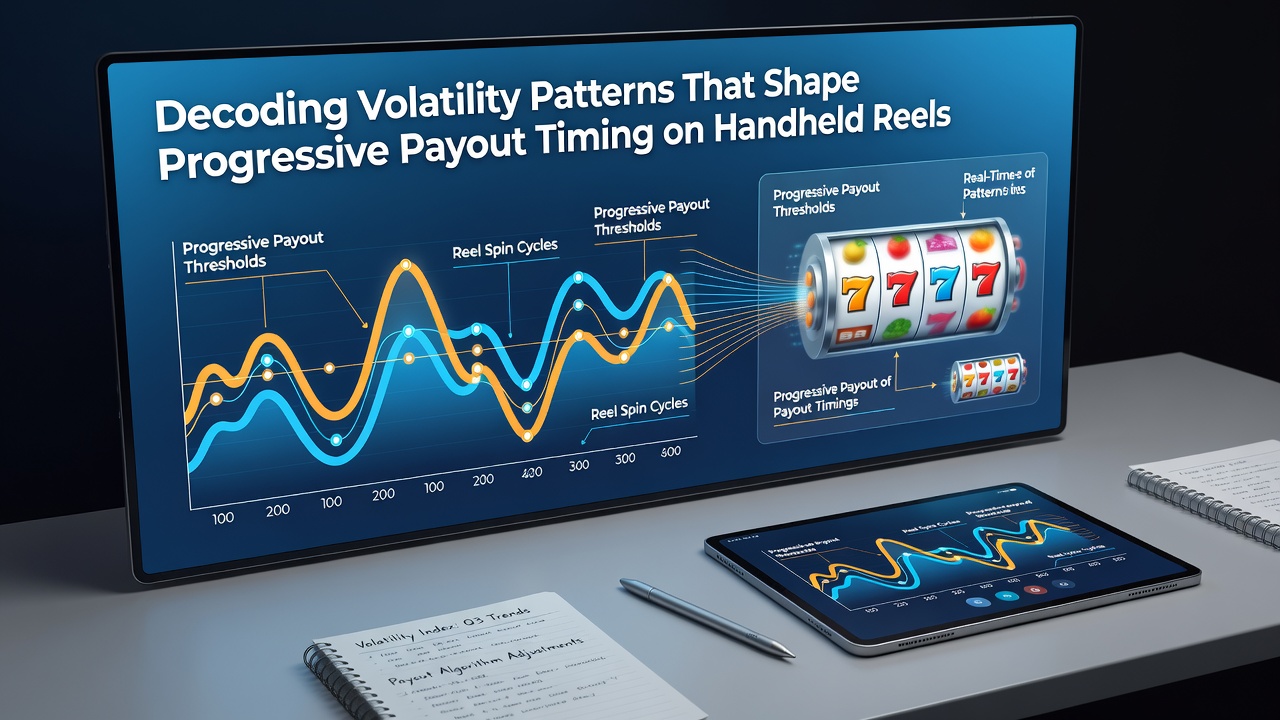
Analysts at the Canadian Institute for Gaming Studies documented in 2025 that handheld progressive titles with high volatility showed payout clusters separated by 800 to 1200 spins on average during controlled testing environments. These intervals shorten when multiple devices contribute simultaneously to the same meter, creating cross-platform acceleration effects that operators monitor through centralized servers.
Timing Influences from Mobile-Specific Factors
Network latency, battery optimization modes, and touch-screen interaction rates introduce additional variables that interact with volatility settings on handheld reels. Research indicates that interrupted sessions from signal drops can reset local random sequences without affecting the shared progressive meter, thereby altering perceived payout timing for individual users.
Software providers adjust bonus trigger frequencies to compensate for these mobile constraints while preserving the underlying volatility profile. Figures from the Singapore Casino Regulatory Authority highlight that progressive games on portable platforms maintain consistent mathematical return-to-player rates across volatility tiers even as payout timing windows fluctuate with usage patterns.
Case Examples from Recent Deployments
One European studio released a handheld progressive title in early 2026 featuring adjustable volatility modes that players select before starting sessions. Testing logs demonstrated that the high-volatility option extended average jackpot intervals by 35 percent compared with the medium setting while increasing average win sizes during triggered events.
Another deployment in North American markets incorporated dynamic volatility scaling that responded to aggregate contribution rates across thousands of handheld devices. The system maintained stable progressive growth curves despite varying player densities throughout different time zones.
Conclusion
Volatility patterns continue to shape progressive payout timing on handheld reels through precise mathematical controls that balance accumulation speed against hit frequency. Industry reports confirm these dynamics remain central to game design across regions as operators refine mobile experiences using data from diverse regulatory environments and academic testing facilities.