The Hidden Algorithms Powering Shared Jackpot Systems on Mobile Devices
Alex Jung · Aug 18, 2026
The Hidden Algorithms Powering Shared Jackpot Systems on Mobile Devices
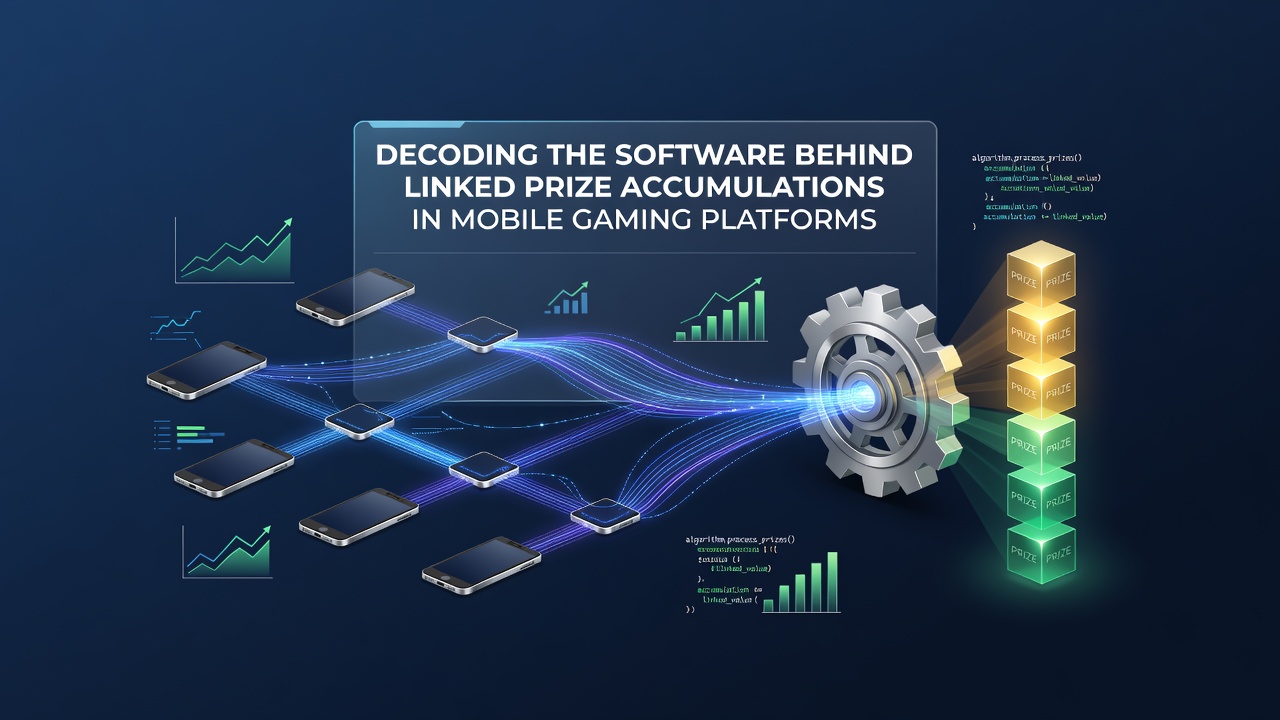
Linked prize accumulations in mobile gaming rely on complex software architectures that connect individual player contributions into centralized pools, and developers build these systems around real-time data synchronization protocols that track every spin or bet across thousands of devices simultaneously. The core mechanism involves a central server that receives percentage-based contributions from each game instance, then aggregates those amounts into growing jackpots that multiple players can trigger regardless of their location or session timing.
Core Components of the Accumulation Software
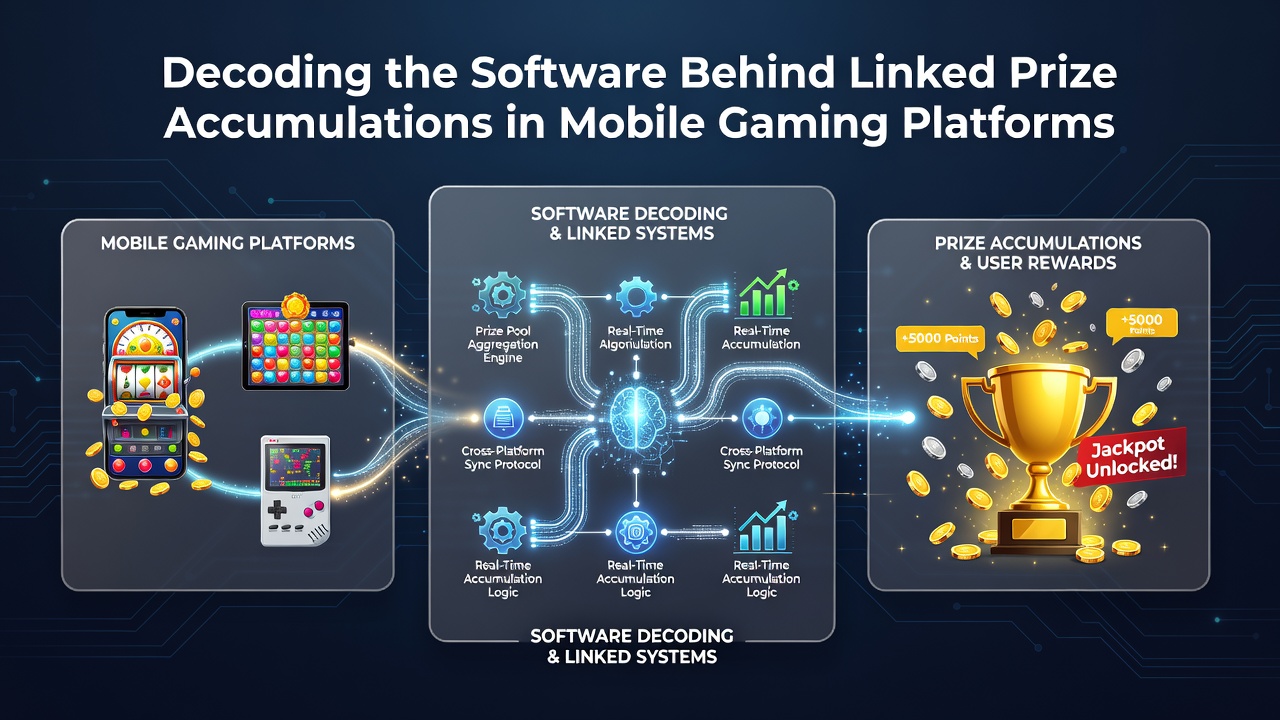
Developers structure these platforms with several interconnected modules including random number generators that operate independently on each device, contribution calculators that apply fixed or variable percentages to every wager, and database systems that maintain persistent jackpot values even when individual games go offline. Communication layers use encrypted APIs to transmit data between mobile clients and backend servers, while redundancy protocols ensure that network interruptions do not corrupt the accumulated totals. Those who've examined these frameworks note that timestamp synchronization plays a critical role because it prevents duplicate claims and maintains accurate sequencing of contributions from different regions.
Software engineers often implement contribution engines that adjust rates dynamically based on game type or player volume, and these adjustments occur through configuration files that operators update without requiring full code redeployment. The reality is that mobile environments introduce additional variables such as variable latency and device-specific RNG seeding, so the code must include validation checks that cross-reference local results against server-side records before adding to the shared pool.
Data Flow and Synchronization Processes
Information moves from the mobile application through secure sockets to regional aggregation nodes that batch updates before forwarding them to a master jackpot server, and this tiered approach reduces load while preserving accuracy across global player bases. Studies from research institutions show that typical systems process contribution data in sub-second intervals during peak hours, which requires optimized query structures and in-memory caching layers to avoid bottlenecks. Observers note that audit trails record every transaction with player identifiers, bet amounts, and timestamps so regulators can verify fairness and resolve disputes when multiple users approach the trigger threshold at once.
Security measures incorporate multi-factor authentication for jackpot claims along with anomaly detection algorithms that flag unusual patterns such as rapid successive contributions from single accounts. In August 2026 platform updates introduced enhanced tokenization methods that further isolate player data from the jackpot calculation modules themselves.
Integration with Mobile Operating Systems
Applications must interface with both iOS and Android notification services to alert users when jackpots reach certain thresholds, and developers embed these triggers within the same contribution pipeline so that push notifications reflect live pool sizes without additional server calls. Resource management becomes important because constant background synchronization can drain batteries, therefore code often includes adaptive polling intervals that increase during high-activity periods and decrease when user engagement drops. Those who've analyzed performance metrics find that efficient implementations keep network usage below 5% of total app data consumption even on devices running multiple linked games.
Regulatory Compliance Layers
Software includes configurable compliance modules that enforce regional rules on maximum contribution percentages and mandatory payout frequencies, and these modules pull from external databases maintained by various oversight bodies. Data from the Pennsylvania Gaming Control Board illustrates how operators must demonstrate that linked systems maintain independent RNG integrity while sharing only the prize pool data. Similar requirements appear in frameworks used by Australian authorities, where testing laboratories certify that accumulation algorithms cannot be manipulated through client-side modifications.
Scaling Challenges and Solutions
As player numbers grow the software must handle increased transaction volumes without introducing delays that could affect game responsiveness, and architects address this through distributed computing setups that partition jackpot pools by geographic clusters or game categories. Load balancing algorithms route requests to the nearest available node, while eventual consistency models allow temporary discrepancies that resolve within defined time windows. One study revealed that properly scaled systems maintain sub-100-millisecond response times even when handling contributions from over 100,000 concurrent mobile sessions.
Conclusion
The software behind linked prize accumulations combines real-time data handling, secure communication protocols, and adaptive configuration tools to create shared pools that function reliably across mobile platforms. Continued refinements in synchronization methods and compliance integration support ongoing expansion of these systems while maintaining operational integrity for operators and players alike.