Shared Prize Pools Forge Player Connections in Progressive Slot Systems
Wendy Perry · Aug 4, 2026
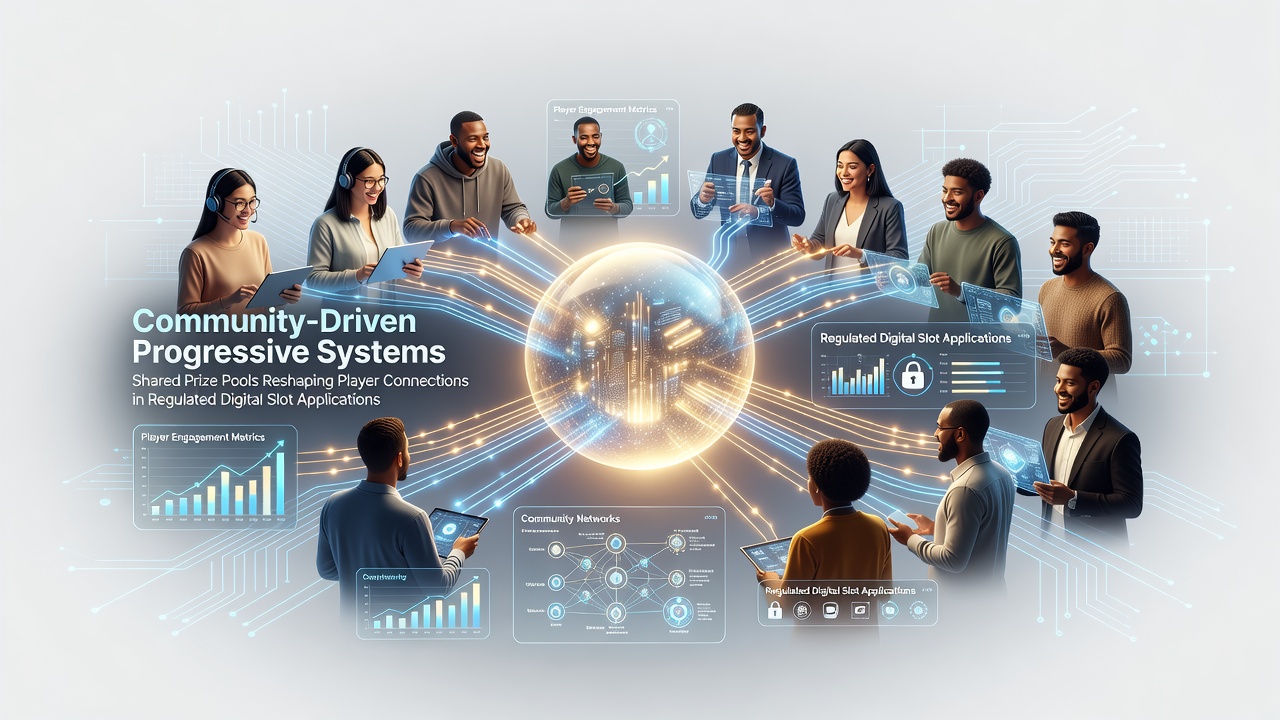
Shared Prize Pools Forge Player Connections in Progressive Slot Systems
Regulated digital slot applications now incorporate community-driven progressive systems where multiple players contribute to shared prize pools that grow across networks of licensed platforms and these mechanisms link participants through synchronized contributions rather than isolated spins. Developers integrate these pools into games that operate under oversight from bodies such as the Nevada Gaming Control Board and similar authorities in other jurisdictions and the structure allows jackpots to accumulate from bets placed by users in different regions while maintaining compliance with local rules.
Mechanics of Shared Progressive Pools
Each bet placed in participating slot titles directs a small percentage into a central pool that multiple platforms access simultaneously and this setup creates larger prize amounts than standalone progressives can achieve on their own. Software providers program the systems to update in real time so players see the current total rise with every contribution from the network and regulatory requirements ensure transparent reporting of pool values and payout frequencies. Data from industry reports indicate that these interconnected pools reached record levels during the first half of 2026 with August figures showing continued growth in participation across licensed operators.
Players connect through visible leaderboards and contribution trackers that display aggregated activity without revealing individual identities and such features encourage repeat engagement because users observe how their actions add to a collective total that benefits the wider group. Operators configure games so that triggers for bonus rounds or jackpot awards draw from the shared pool and this design distributes wins across the community rather than concentrating them within single sites.
Regulatory Frameworks Supporting Interconnected Systems
Authorities in multiple regions require operators to maintain segregated accounts for progressive contributions and to conduct regular audits that verify pool integrity and payout accuracy. The Australian Gambling Research Centre published findings in 2025 that examined how shared pool structures affect player retention metrics and the analysis covered data from licensed online environments where community features appeared alongside traditional slot mechanics. These frameworks prevent misuse while allowing innovation in how pools connect users across borders under strict licensing conditions.
Systems must incorporate safeguards such as maximum contribution caps per game and mandatory reserve funds that cover payouts if a pool reaches its trigger point and regulators review these parameters during licensing renewals to confirm ongoing compliance. Observers note that teh approach balances player protection with the appeal of larger communal prizes that single-operator models cannot match.

Impact on Player Interactions and Engagement Patterns
Community elements appear in chat functions and synchronized events that coincide with pool milestones and these additions allow participants to acknowledge collective progress without direct personal disclosure. Research from academic sources including studies conducted at the University of Nevada Reno has tracked how shared pools influence session lengths and the results show extended play periods when users perceive their contributions as part of a larger group effort. Regulated applications display contribution percentages and historical payout data so players receive factual context about the pool dynamics.
Examples from licensed platforms demonstrate that shared systems often feature milestone celebrations visible to all connected users and these events mark increments such as every million units added to the pool or anniversaries of the network launch. Participation data reveals higher volumes during peak hours when multiple regions overlap in activity and the synchronized updates create a sense of simultaneous involvement across time zones.
Technical Implementation Across Licensed Platforms
Backend architecture relies on secure APIs that link individual game servers to a central pool manager while encryption protocols protect transaction records and player data throughout the process. Developers test these integrations under controlled conditions before deployment and third-party auditors certify that random number generators and payout algorithms function independently of the pool mechanics. In August 2026 several operators expanded their network connections to include additional licensed markets and this growth extended the reach of existing shared pools without altering core regulatory standards.
Updates to game clients occur seamlessly so users experience no interruption when new platforms join the system and the design supports scalability as more operators adopt the model. Industry organizations such as the European Gaming and Betting Association have documented case studies of successful rollouts that maintained compliance across varying legal environments.
Future Developments in Community Progressive Models
Additional features under consideration include tiered pools that separate contributions by game type or wager level while still feeding into overarching community totals and these refinements aim to increase accessibility for different player segments. Regulatory updates expected later in 2026 may introduce standardized reporting formats for cross-border pools and such changes would facilitate oversight without restricting innovation. Observers track how these evolutions affect overall participation rates and the data continues to show steady integration of shared systems into mainstream regulated applications.
Conclusion
Shared prize pools within community-driven progressive systems continue to link players through regulated digital slot applications by combining contributions into visible collective rewards and the approach relies on established technical and oversight mechanisms that support growth while preserving compliance. As networks expand and new data emerges from ongoing operations the structure provides a factual basis for understanding how interconnected mechanics operate across licensed environments.