Mechanics of Synchronized Bonus Features in Mobile Progressive Slots: Exploring Trigger Alignments
Klara Krüger · Jul 11, 2026
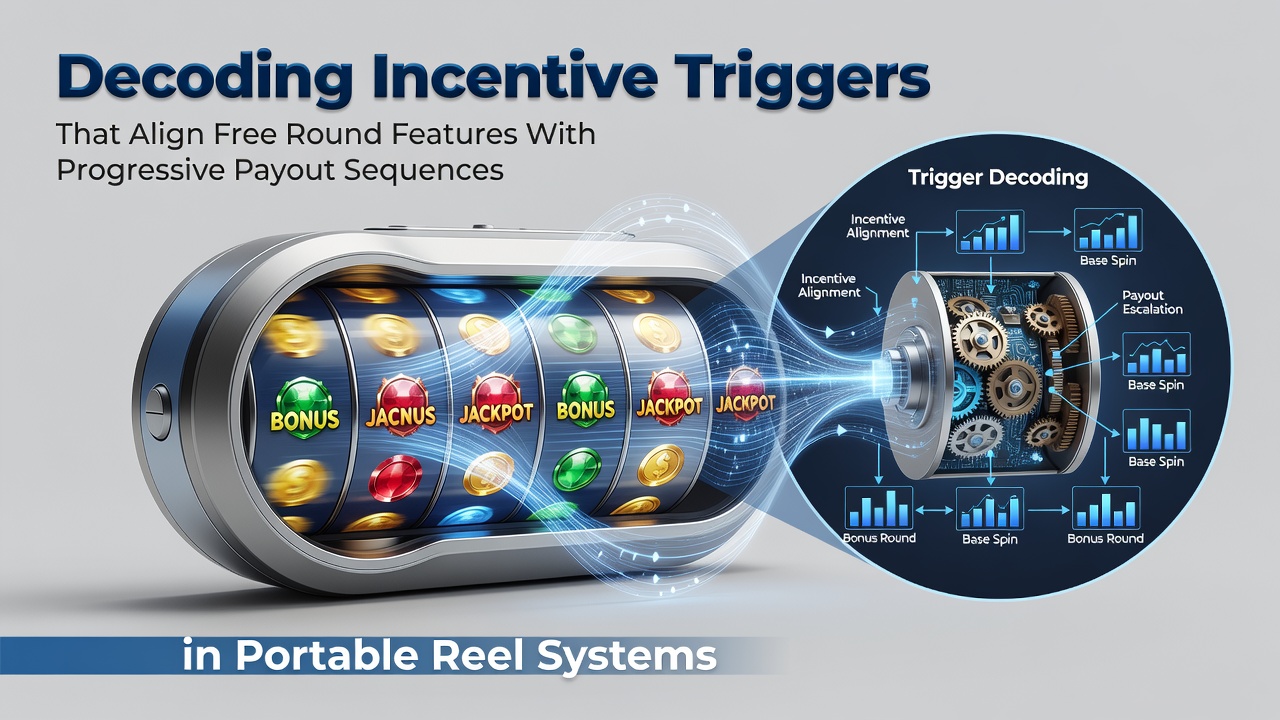
Mechanics of Synchronized Bonus Features in Mobile Progressive Slots: Exploring Trigger Alignments
Portable reel systems in mobile gaming environments rely on precise alignments between incentive triggers and progressive payout sequences to maintain consistent player engagement across devices, and these alignments stem from algorithmic structures that coordinate free round activations with accumulating jackpot pools. Research from industry analyses indicates that random number generators in these systems sample outcomes at high frequencies, often exceeding thousands of cycles per second, which allows free spin features to activate in patterns that feed directly into progressive meters without disrupting the core reel mathematics.
Core Components of Incentive Triggers
Trigger mechanisms in portable reel systems operate through layered probability tables that determine when free rounds activate, and these tables connect to progressive sequences by allocating portions of each wager to a shared pool that grows incrementally. Data from technical evaluations shows that scatter symbols or specific reel combinations serve as primary triggers, yet the underlying code ensures that once a free round sequence begins, subsequent wins contribute to the progressive total through predefined multipliers that scale with bet size and game level. Observers note that this integration prevents isolated bonus events by linking them to the broader payout architecture, so a single free spin session can advance the jackpot meter in real time across networked mobile platforms.
Progressive Payout Sequences and Their Coordination
Progressive sequences build through continuous contributions from base game wagers and bonus rounds alike, while the alignment with free round features occurs via dedicated subroutines that monitor trigger events and adjust pool increments accordingly. Studies on gaming mathematics reveal that these sequences often employ multi-tier structures, where minor progressives accumulate faster during free rounds due to elevated contribution rates, and major or grand jackpots receive smaller but steady allocations that compound over time. In July 2026, platform updates across various mobile providers demonstrated refined synchronization protocols that reduced latency between trigger activation and meter updates, ensuring players on portable devices experience seamless progression regardless of connection variability.
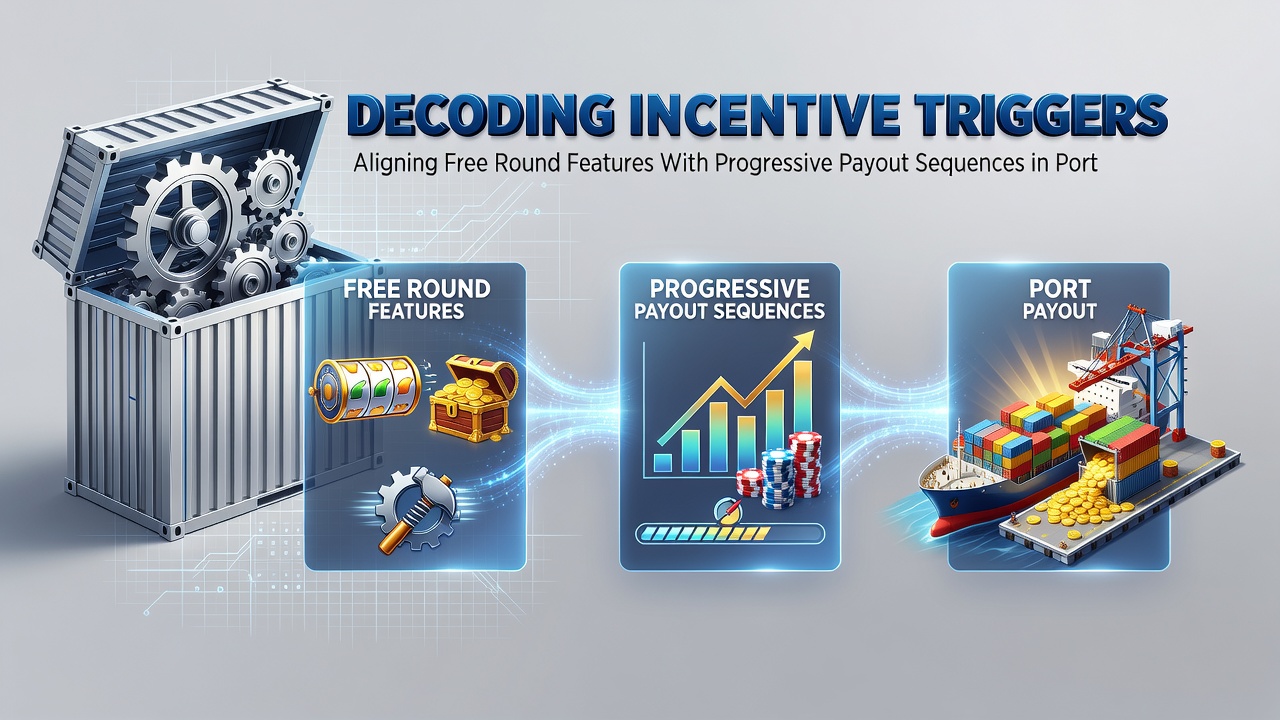
Engineers design these systems to handle variable session lengths by embedding fallback logic that preserves progressive integrity even if a free round ends prematurely, and this approach maintains fairness across all participants in the network. Technical documentation from regulatory testing labs confirms that such coordination relies on encrypted seed values shared between the free round module and the progressive controller, preventing any desynchronization that could affect payout calculations.
Implementation in Portable Environments
Mobile reel systems adapt these alignments to device constraints through optimized code that prioritizes low memory usage and rapid rendering, while still preserving the statistical integrity of both free round triggers and progressive sequences. Figures from platform performance reports show that successful implementations reduce processing overhead by caching trigger probabilities locally, then syncing progressive data with central servers only at key intervals such as round completions or jackpot hits. Those who analyze mobile gaming infrastructure note that cross-device compatibility demands additional layers of validation, ensuring that a trigger activated on one handset advances the same progressive pool visible to users on tablets or other portable hardware.
Examples from deployed titles illustrate how specific incentive triggers, such as expanding wilds during free rounds, directly influence progressive growth rates by applying bonus multipliers to the contribution formula. Research indicates that this creates feedback loops where higher free round activity correlates with accelerated jackpot accumulation, though the base probabilities remain fixed to comply with certified randomness standards. Nevada Gaming Control Board documentation outlines testing procedures that verify these alignments before market release, focusing on payout accuracy rather than player behavior patterns.
Mathematical Foundations and Verification Processes
Verification of trigger alignments involves rigorous simulation runs that model millions of spins to confirm expected contributions to progressive pools during free round sequences, and academic sources such as papers from the Responsible Gambling Council in Canada provide frameworks for evaluating these mathematical models independently. The processes emphasize transparent reporting of how free round features interface with progressive mechanics, including the exact percentages allocated from each triggered bonus to the various jackpot tiers. Observers in the field highlight that portable systems benefit from cloud-based verification tools that allow real-time audits without interrupting active sessions.
Adjustments to these alignments occur through scheduled software updates that recalibrate probability tables based on aggregated performance data, yet core payout ratios stay consistent to meet certification requirements. Data shows that such refinements often target edge cases where free round triggers might otherwise underperform in contributing to progressives, thereby restoring balance across the full game cycle.
Conclusion
Alignments between free round incentive triggers and progressive payout sequences in portable reel systems represent a sophisticated intersection of probability engineering and network coordination that supports scalable mobile gaming operations. Technical standards continue to evolve with device capabilities, incorporating refined synchronization methods that maintain integrity across diverse hardware configurations while adhering to established testing protocols. Future developments in this area will likely focus on enhanced encryption for trigger data and broader compatibility layers for emerging portable platforms.