Interconnected Reel Systems: The Hidden Dynamics of Prize Pool Expansion
Alex Jung · Jul 2, 2026

Interconnected Reel Systems: The Hidden Dynamics of Prize Pool Expansion
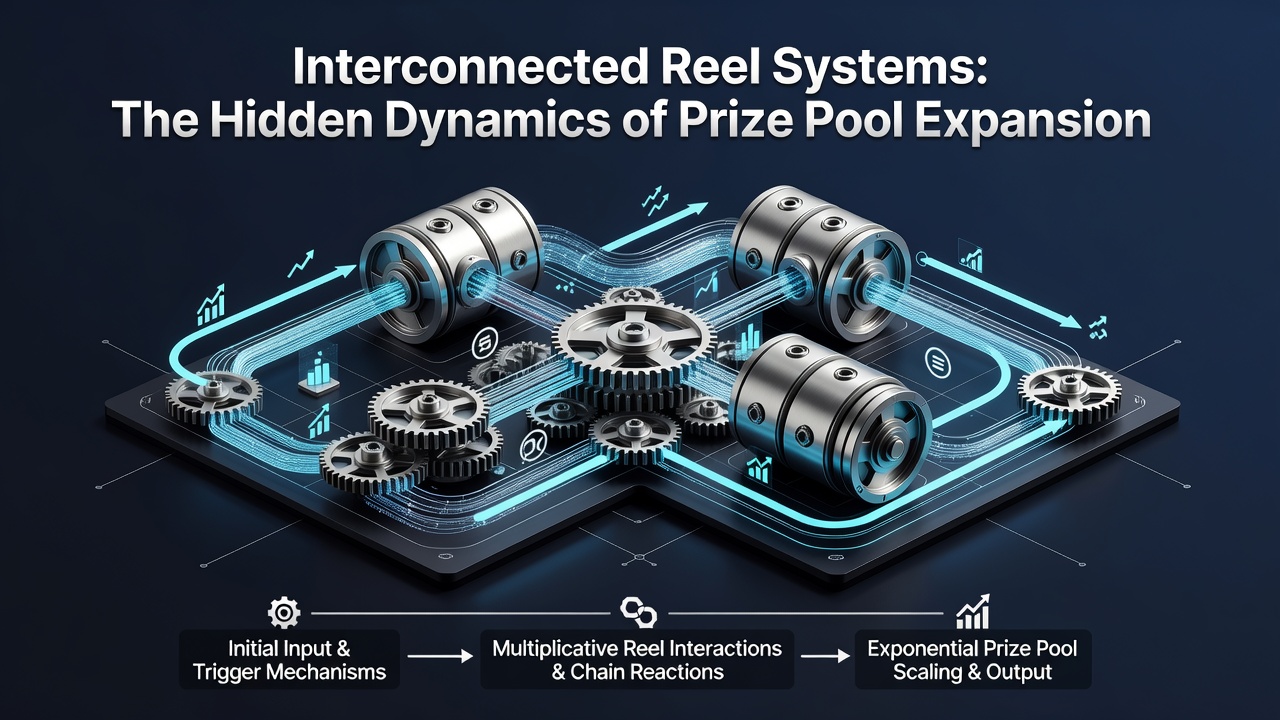
Interconnected reel systems link multiple slot machines across venues or digital platforms so that a single prize pool grows with contributions from each connected device, and this setup creates the foundation for progressive jackpots that reach substantial totals over time. Observers note that each spin on any linked machine adds a small percentage to the shared pool, which means the jackpot expands continuously until a player hits the winning combination. Data from regulatory filings shows these networks operate through centralized servers that track contributions in real time, and operators use this structure to manage larger prize amounts than isolated machines could support.
Mechanics of Pool Growth in Linked Networks
Systems connect reels through software protocols that synchronize contributions across locations, while each machine maintains its own random number generator yet feeds into the common prize fund. Researchers have documented how seed amounts, which are the initial values set when a jackpot resets, combine with ongoing increments that range from 1 to 3 percent of each bet. Figures from industry reports reveal that pools in multi-site networks accumulate faster because more machines participate simultaneously, and this acceleration leads to higher peaks before payouts occur. In July 2026 operators recorded several interconnected systems surpassing previous monthly growth rates as participation volumes increased across both land-based and online environments.
Regional Variations in Implementation
North American markets employ these systems under oversight from bodies such as the Nevada Gaming Control Board, which requires strict auditing of contribution rates and reset procedures, whereas Australian regulators apply similar standards through state-level gaming commissions. European frameworks differ by country, with some permitting cross-border linkages under EU guidelines that emphasize transparency in pool calculations. Those who have studied these variations find that interconnection density affects payout frequency, since denser networks contribute more rapidly yet also reset more often when wins occur. One analysis from a university gaming research group indicated that systems with over 500 linked terminals reach target thresholds 40 percent quicker than smaller clusters of 50 machines.
Impact on Game Design and Player Interaction
Designers incorporate features like tiered jackpots within interconnected setups, where minor, major, and grand levels draw from the same underlying pool yet trigger at different probabilities. This layering allows smaller wins to occur alongside the main prize accumulation, and it keeps engagement steady while the grand total continues to climb. Data indicates that mobile integration has expanded these networks further since 2024, enabling individual devices to join pools previously limited to physical terminals. Experts tracking these shifts report that July 2026 saw a measurable rise in cross-platform linkages, with operators citing improved server capacity as the enabling factor.
Technical Infrastructure and Security Protocols
Central servers manage the real-time aggregation of bets from each connected reel, and encryption standards protect transaction data during transmission between sites. Industry organizations such as the Gaming Standards Association have published specifications that outline how contribution percentages must remain consistent regardless of machine location or platform type. Audits verify that no single terminal can manipulate the shared pool, and this verification process occurs through independent testing laboratories that certify compliance before systems go live. Those overseeing operations note that redundancy measures prevent downtime, because even brief interruptions in connectivity could freeze pool updates across the entire network.
Statistical Patterns in Prize Distribution
Records compiled over multiple years demonstrate that interconnected systems produce jackpot hits at intervals determined by total bet volume rather than individual machine activity, and this collective model spreads the probability across all participants. Academic papers on gambling mathematics have modeled these distributions using exponential growth functions that account for both contribution rates and player density. One study from an Australian research institution found that pools exceeding one million units in value attract higher average bet sizes per spin, which in turn accelerates further expansion. Observers tracking July 2026 metrics observed that several networks achieved record pool sizes during that period due to sustained participation across time zones.
Future Developments in Network Scale
Advancements in cloud computing now support larger interconnection scales than earlier hardware limitations allowed, and this capacity opens possibilities for global networks that span multiple jurisdictions under coordinated regulatory agreements. Trade groups continue to refine protocols for contribution tracking that accommodate varying currency conversions and tax withholdings. Data shows these evolutions maintain the core dynamic where each additional machine or device proportionally increases pool velocity. Researchers anticipate continued refinement in synchronization speeds as latency reductions become standard across platforms.
Conclusion
Interconnected reel systems sustain prize pool expansion through continuous contributions synchronized across multiple points, and the resulting dynamics depend on network size, contribution percentages, and regulatory frameworks that govern their operation. Evidence from diverse regions confirms these structures deliver larger accumulations than standalone machines, while technical safeguards ensure fair distribution of the shared resources. Ongoing developments in connectivity and scale indicate these systems will remain central to progressive jackpot mechanics in both physical and digital environments.