Interconnected prize systems link diverse gaming platforms across Britain for escalating rewards
Cameron Peters · May 30, 2026
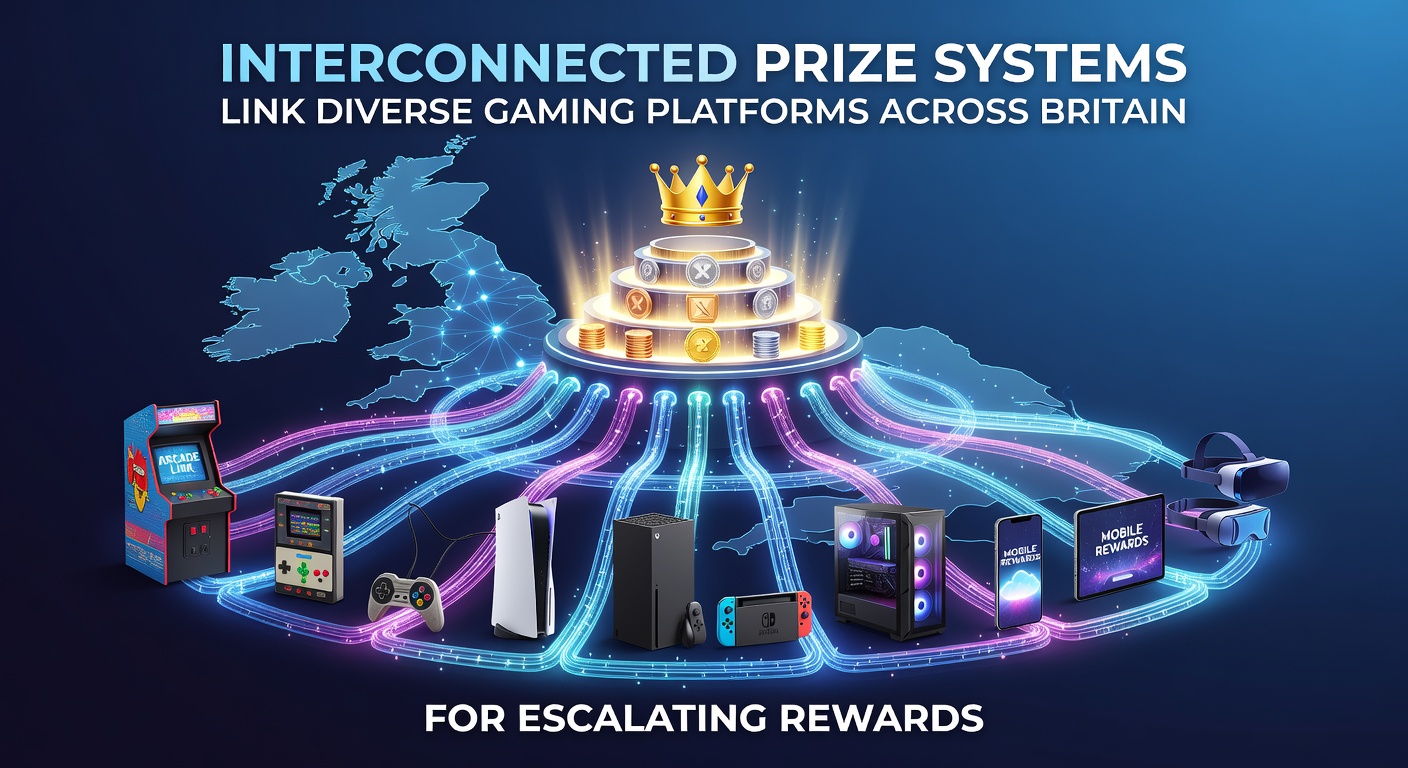
Interconnected prize systems link diverse gaming platforms across Britain for escalating rewards
Interconnected prize systems have expanded across Britain as operators link separate gaming platforms to create larger shared reward pools that grow with each contribution from participating sites. These networks combine contributions from slots, table games, and other digital formats so that prize amounts increase steadily until awarded to qualifying players. Data from industry reports indicate that such linkages allow smaller platforms to access reward levels previously available only on larger standalone systems.
How Cross-Platform Linkages Operate
Operators establish agreements that pool a percentage of wagers into central prize funds managed through secure central servers. Each connected platform feeds real-time data into the shared system while maintaining its own user interface and game selection. According to figures released by the American Gaming Association, similar wide-area arrangements in other markets have produced average prize growth rates of 18 to 25 percent annually when participation exceeds a threshold number of sites. In Britain the same mechanics apply across dozens of platforms that previously operated independently.
Players on any linked platform qualify for the escalating prizes once specific eligibility criteria are met. These criteria often include minimum wager amounts or game-type participation tracked automatically through the network software. The result is a single prize pool visible to users on every connected site, with the displayed total rising continuously as new wagers arrive from across the network.
Technical Infrastructure Supporting the Networks
Secure application programming interfaces transmit encrypted wager data between platforms and the central prize server several times per second. Redundant backup systems maintain continuity during maintenance periods or unexpected outages. Observers note that these technical standards have been refined over successive implementations, allowing new platforms to join existing networks with minimal integration time. Researchers at the University of Nevada, Las Vegas documented comparable infrastructure patterns in a 2024 analysis of multi-state prize systems operating in North America.
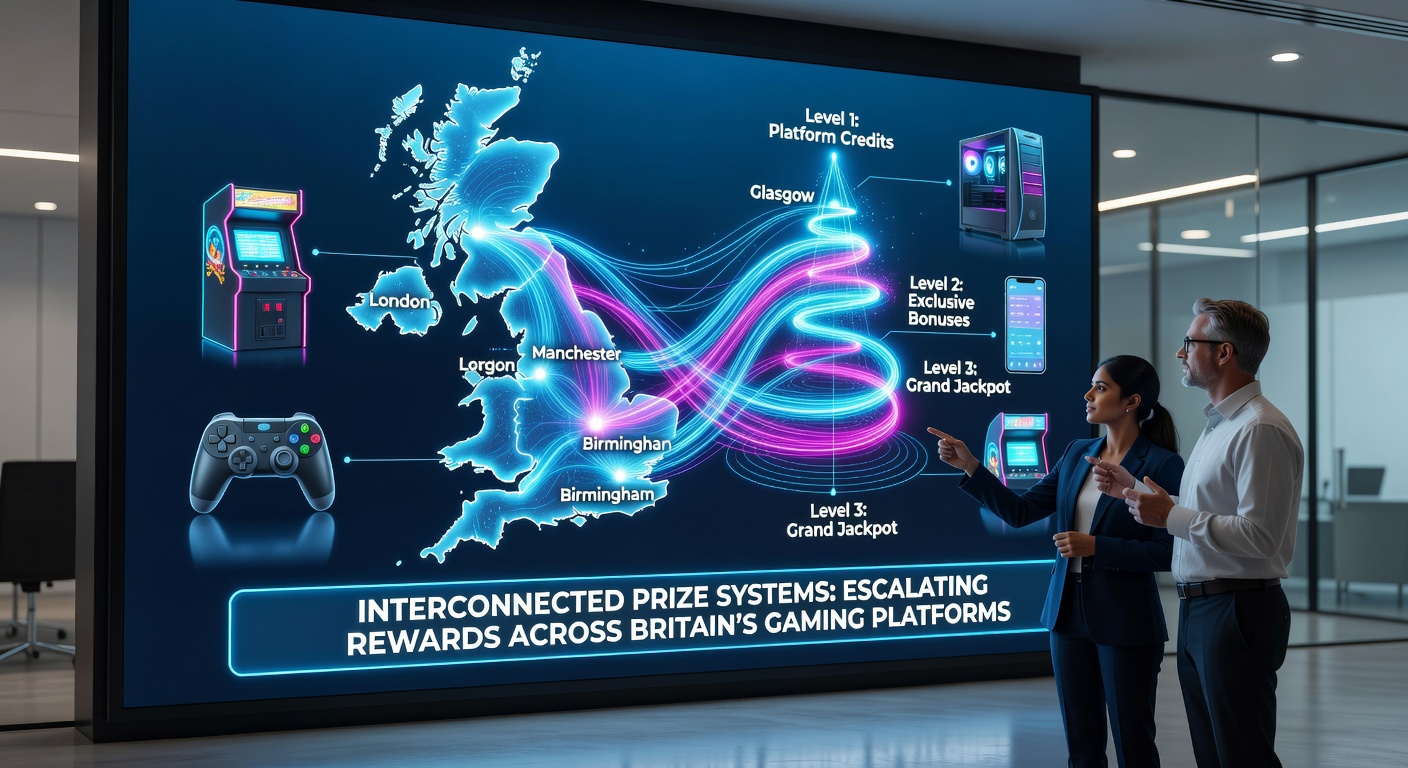
Platform diversity within the networks includes both established casino brands and newer entrants focused on mobile play. Each participant contributes according to agreed formulas that factor in average daily wager volume and player base size. This structure ensures that larger sites do not dominate the pool disproportionately while still allowing smaller sites to benefit from collective growth.
Developments Expected in May 2026
Industry announcements indicate that additional platform integrations are scheduled to activate in May 2026. These expansions will connect several previously standalone mobile-focused operators to existing networks operating across desktop and retail-linked terminals. The additions are projected to increase total daily contributions to the shared prize funds by approximately 12 percent based on current volume estimates.
Regulatory filings in multiple jurisdictions show that network operators have completed compliance testing for the new connections ahead of the May timeline. The expanded reach will allow prize totals to reflect activity from a broader geographic spread within Britain while maintaining consistent payout verification procedures across all linked sites.
Player Participation Patterns
Tracking data collected by network administrators reveal that players frequently move between connected platforms once they become aware of the shared prize opportunities. Session lengths on participating sites show measurable increases during periods when displayed prize totals reach notable thresholds. These patterns mirror observations recorded in other regions where similar interconnections have operated for several years.
Eligibility notifications appear directly within game interfaces on each platform, informing users of current prize levels and remaining requirements without requiring separate applications or account changes. This seamless presentation reduces friction for participants who already hold accounts on multiple linked sites.
Conclusion
Interconnected prize systems continue to evolve as more British platforms adopt shared reward structures that aggregate contributions across diverse operators. The technical and operational frameworks supporting these networks have demonstrated consistent performance in delivering escalating prize totals tied directly to collective wager activity. Scheduled expansions in May 2026 will further enlarge the participant base and corresponding prize growth potential. Data compiled by organizations such as the American Gaming Association and academic researchers at the University of Nevada, Las Vegas provide context for understanding these developments within the wider international landscape of networked gaming rewards.