Britain's Digital Reel Ecosystem: How Live Tournament Structures Reshape Progressive Payout Timelines on Mobile Platforms
Wendy Perry · Aug 11, 2026
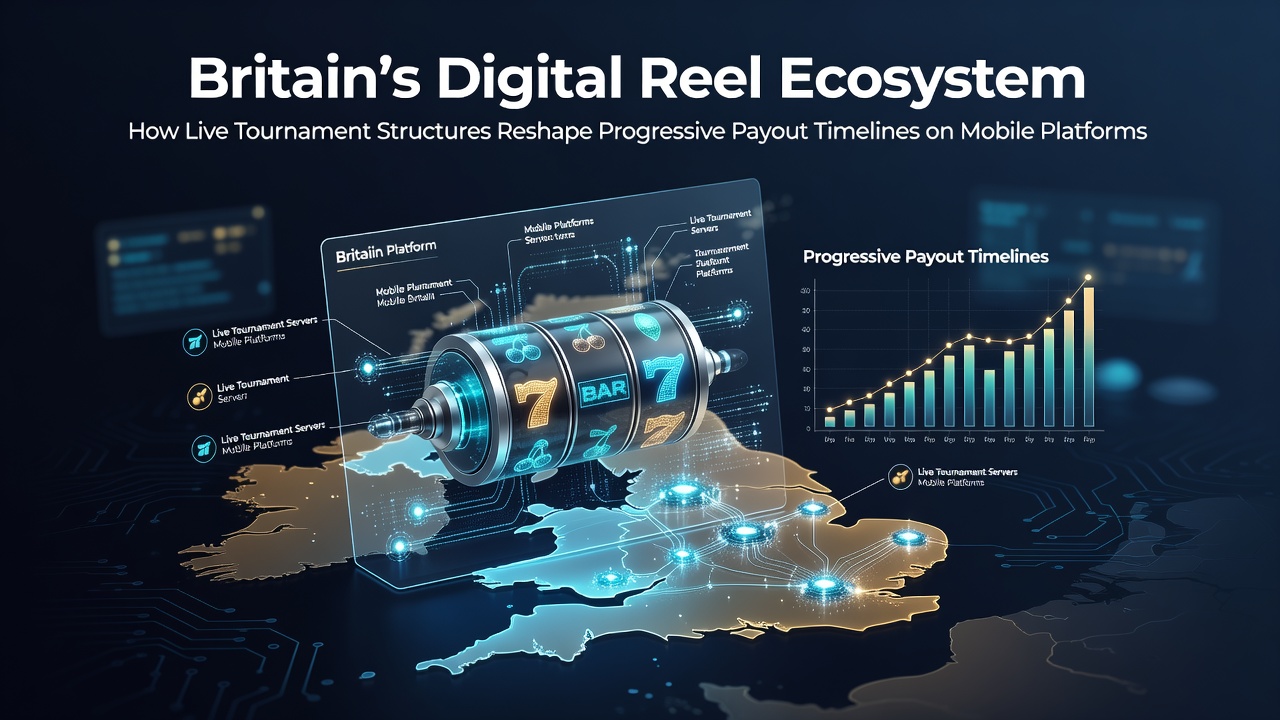
Britain's Digital Reel Ecosystem: How Live Tournament Structures Reshape Progressive Payout Timelines on Mobile Platforms
Live tournament structures have integrated deeply into Britain's mobile slot platforms by August 2026, and data from industry tracking services shows these formats alter how progressive jackpots accumulate and distribute across player bases. Operators now layer real-time competitions onto standard progressive reels, where entry fees and pooled bets feed directly into shared prize pools while also accelerating contributions to main progressive meters.
Mechanics of Tournament Integration with Progressive Systems
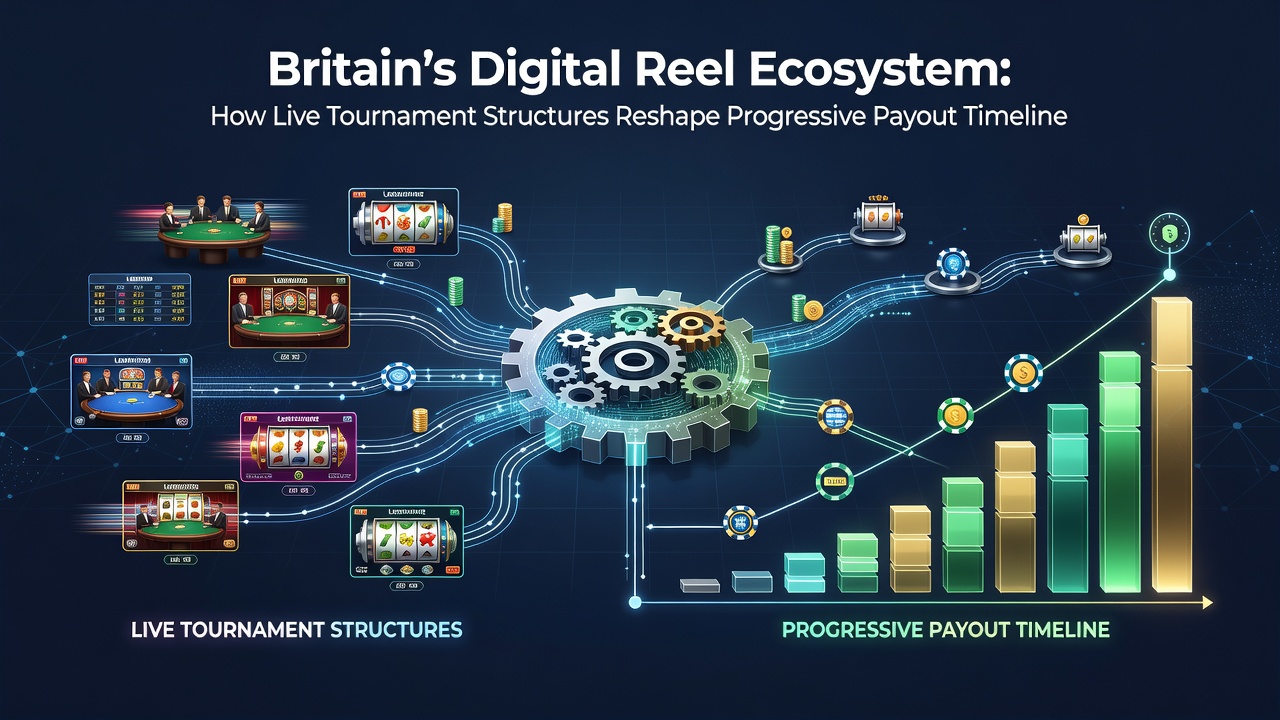
Players join timed events on apps that sync multiple devices into ranked leaderboards, and each spin during the session adds to both the tournament prize and the underlying progressive jackpot. Research from the International Gaming Technology Association indicates that tournament modes increase spin velocity by 35 to 50 percent compared with casual play, which shortens the average interval between jackpot triggers on mobile networks. This compression occurs because the format rewards consistent participation rather than sporadic sessions, creating steady streams of contributions that reach payout thresholds faster than standalone progressive games.
Observers note that payout timelines shift when tournaments overlap with peak evening hours, as aggregated bets from thousands of simultaneous users push meters upward at accelerated rates. One study released by the University of Nevada Reno gaming research lab found that mobile tournaments in regulated markets produced jackpot hits 22 percent sooner on average than non-tournament equivalents, because the structure eliminates downtime between rounds and maintains continuous bet flow.
Impact on Player Behavior and Contribution Rates
Participants in live events often maintain longer sessions since rankings update in real time and small achievements unlock bonus entries. Figures from European gaming analytics firms reveal that mobile users in Britain extend average play duration by 18 minutes during tournaments, directly boosting the rate at which progressive funds grow. These extended interactions also introduce multiplier mechanics tied to tournament ranks, where higher placements add extra percentages to the jackpot pool without altering base game RTP.
Data Patterns Observed Through Mid-2026
August 2026 records from platform operators show that progressive jackpots linked to tournament schedules reached payout stages on average 2.4 days earlier than those running without events. The pattern holds across multiple operators because live competitions concentrate player activity into narrow windows, concentrating contributions that would otherwise spread across days or weeks. External reporting from the Ontario Lottery and Gaming Corporation highlights similar compression effects in comparable mobile markets, where tournament overlays consistently reduced payout intervals by measurable margins.
Regulators outside Britain have documented parallel trends. A 2025 report issued by the New Jersey Division of Gaming Enforcement tracked mobile tournament data and confirmed that jackpot meters crossed payout thresholds at higher frequencies when events ran concurrently with standard progressive play. Those findings align with patterns emerging in Britain, where operators schedule tournaments to coincide with known high-traffic periods to maximize both engagement and meter growth.
Technical Adjustments Operators Make to Payout Scheduling
Platform developers adjust seed amounts and contribution percentages when tournaments launch, ensuring that the added volume does not create unsustainable spikes. Data indicates that many systems now apply dynamic scaling, where contribution rates taper slightly during peak tournament hours to maintain balanced timelines. This approach prevents premature exhaustion of progressive funds while still delivering the faster payout cycles that tournament formats encourage.
Software providers incorporate APIs that link leaderboard positions directly to jackpot visibility, so players see real-time meter growth tied to their event performance. Such visibility sustains participation rates, which in turn sustains the accelerated contribution flow that reshapes payout schedules across mobile networks.
Conclusion
Live tournament structures continue to modify progressive payout timelines on Britain's mobile platforms through concentrated play volumes and extended session lengths. Records compiled through August 2026 demonstrate shorter intervals between jackpot triggers when these formats operate alongside standard progressive games, and similar observations appear in reports from multiple international gaming jurisdictions. Operators refine contribution mechanics and scheduling to accommodate the new dynamics while preserving system stability.