Bonus Features Driving Progressive Jackpot Growth in Handheld Slot Games
Klara Krüger · Jul 23, 2026
Bonus Features Driving Progressive Jackpot Growth in Handheld Slot Games
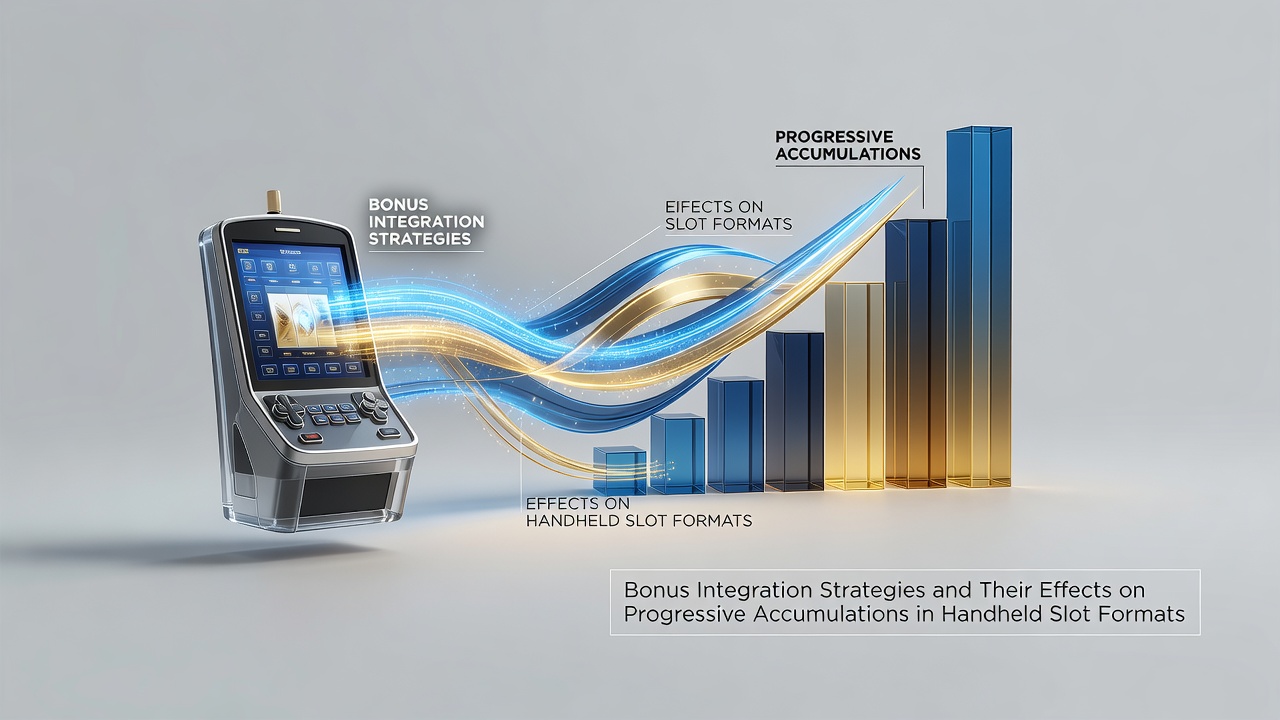
Handheld slot formats incorporate bonus integration strategies that link feature triggers directly to progressive accumulation systems, and developers structure these mechanics so that certain bonus events contribute portions of wagers to growing jackpot pools while others modify the rate at which those pools increase. Data from industry tracking services shows that mobile platforms account for increasing shares of progressive play volume, with integration methods determining how frequently and by how much accumulations advance during each session.
Core Integration Approaches in Portable Formats
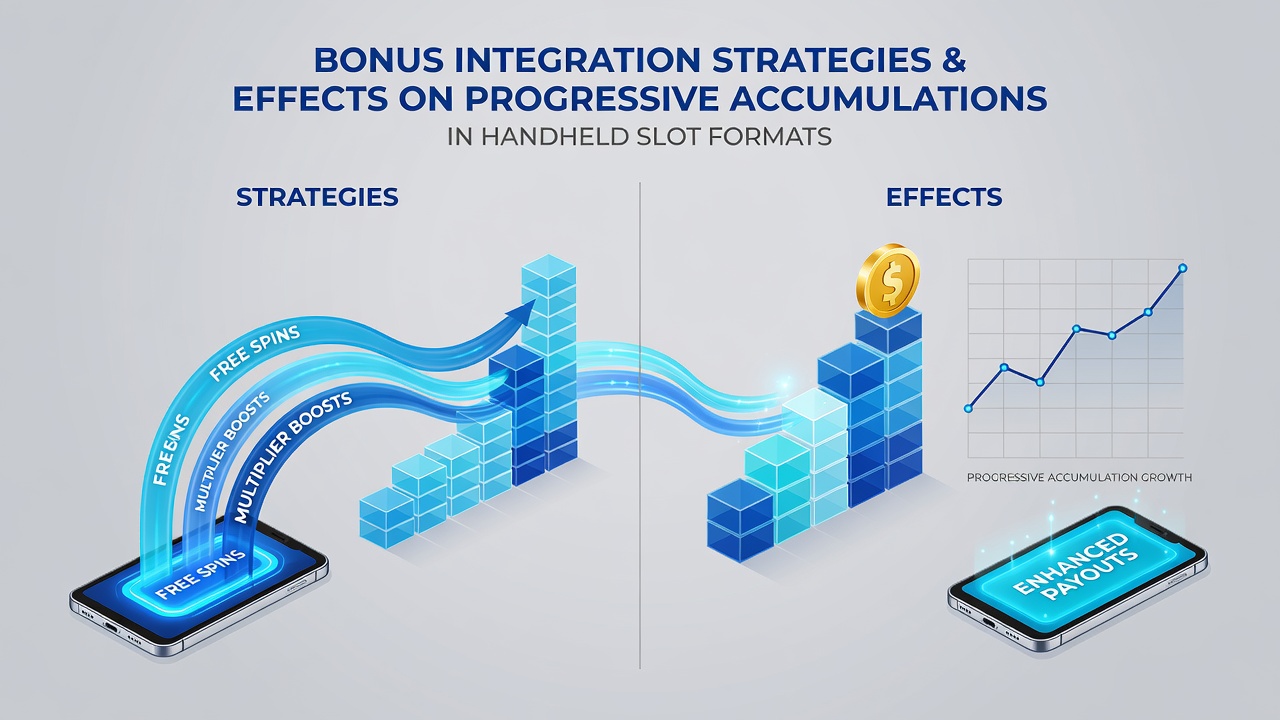
Design teams embed bonus rounds into progressive frameworks through several established patterns. One approach ties free spin sequences to incremental contributions where each awarded spin adds a fixed percentage to the meter, whereas another method uses multiplier bonuses that scale the contribution amount based on the multiplier value achieved. A third pattern routes specific symbol combinations in bonus games to trigger separate mini-progressives that feed into the main pool at predefined intervals.
These strategies operate within technical constraints of mobile devices, including session length variations and network stability factors, while developers adjust contribution rates to maintain balance between player engagement and pool growth velocity. Reports compiled by the American Gaming Association indicate that such integrated systems appear across multiple jurisdictions, with mobile implementations showing distinct patterns compared to land-based terminals because of differences in play frequency and average session duration.
Measured Effects on Accumulation Rates
Studies of game performance data reveal that bonus integration alters accumulation speed in measurable ways. When free spin bonuses contribute directly to the progressive meter, overall pool growth accelerates during high-activity periods, yet the same integration can slow growth if bonus frequency drops below expected thresholds. Multiplier-linked contributions produce more variable outcomes, with larger multipliers generating spikes in accumulation that then taper during standard play segments.
July 2026 performance summaries from several gaming operators documented that titles employing combined free-spin and multiplier contribution models maintained steadier meter increases across both short and extended sessions compared to single-mechanism designs. Observers note that handheld formats benefit from these combined approaches because players often engage in multiple brief sessions rather than single long ones, allowing the integrated bonuses to trigger more consistently across fragmented play periods.
Technical Implementation and Regulatory Context
Software providers program contribution percentages into the base game code and bonus subroutines so that each qualifying event automatically updates the central progressive server. Mobile applications must synchronize these updates in real time while managing data usage and battery consumption, which leads developers to optimize the frequency of meter refresh calls. Research published by the University of Nevada, Reno gaming laboratory examined synchronization delays in mobile progressive systems and found that contribution accuracy remained within acceptable tolerances when integration logic accounted for typical mobile network latency ranges.
Regulatory frameworks in multiple regions require transparent documentation of how bonus events feed progressive pools, and testing laboratories verify that contribution calculations match published rules. These requirements apply equally to handheld formats, although certification processes sometimes include additional checks for session persistence and cross-device continuity to ensure accumulations continue correctly when players switch between phones and tablets.
Observed Player Interaction Patterns
Analytics from deployed titles show that players who trigger integrated bonus features more frequently also generate higher cumulative contributions to progressive pools per session. One study of mobile progressive titles released between 2024 and 2026 recorded that games offering bonus rounds with built-in meter contributions retained player attention longer on average than comparable titles without such links, although retention varied by jackpot size and contribution visibility.
Case examples from European markets illustrate how integration choices affect pool behavior over time. Titles that spread contribution opportunities across multiple bonus types produced smoother accumulation curves, whereas titles concentrating contributions in rare high-value bonuses experienced longer periods of slower growth interrupted by sudden increases. Those who analyzed these patterns note that the distribution of contribution events influences both the perceived pace of jackpot growth and the actual mathematical progression rate.
Future Adjustments and Testing Protocols
Developers continue to refine integration parameters based on performance metrics collected from live mobile deployments. Adjustments often involve recalibrating contribution percentages attached to specific bonus outcomes or introducing new bonus types that interact differently with the progressive system. Testing protocols now routinely include simulated mobile network conditions and variable session lengths to verify that integration remains functional and fair under realistic usage scenarios.
Conclusion
Bonus integration strategies in handheld slot formats directly influence how progressive accumulations build over time, with different mechanical linkages producing distinct growth patterns. Performance data collected through mid-2026 demonstrates that combined contribution models tend to deliver more consistent pool increases across varied play patterns, while technical and regulatory requirements shape how these systems are implemented and verified. Continued monitoring of mobile-specific interaction data will inform further refinements to these integration approaches.